Larnaka’s International Top 5!
Despite being a relatively small region, Larnaka packs in an impressive amount of top international distinctions, and all of them are perfect to experience during an autumn visit.
1. Choirokoitia Neolithic Settlement
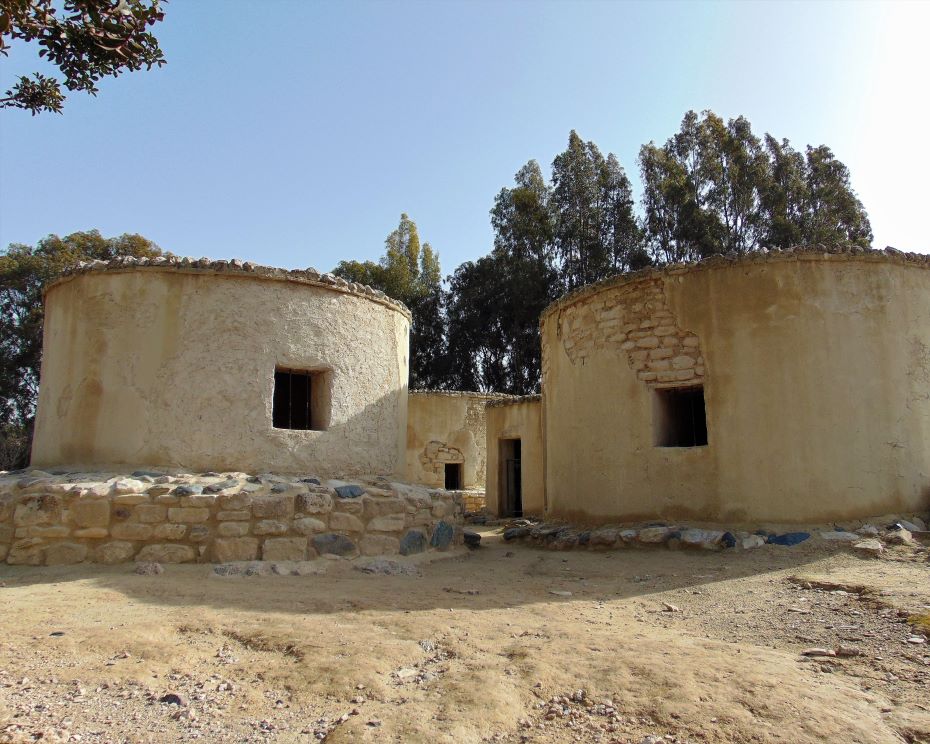
First up is the oldest! Larnaka is one of the most ancient and continuously inhabited cities in the world, as evidenced by the Choirokoitia Neolithic Settlement, which is a listed UNESCO World Heritage Site. Not only does it prove 10,000 years of civilisation on the island, but also ranks as one of the best-preserved ancient human settlements in the world!
Combine a visit to the archaeological site with a tour of Choirokoitia village, which is popular for agrotourism and cycling.
2. Zenobia Wreck
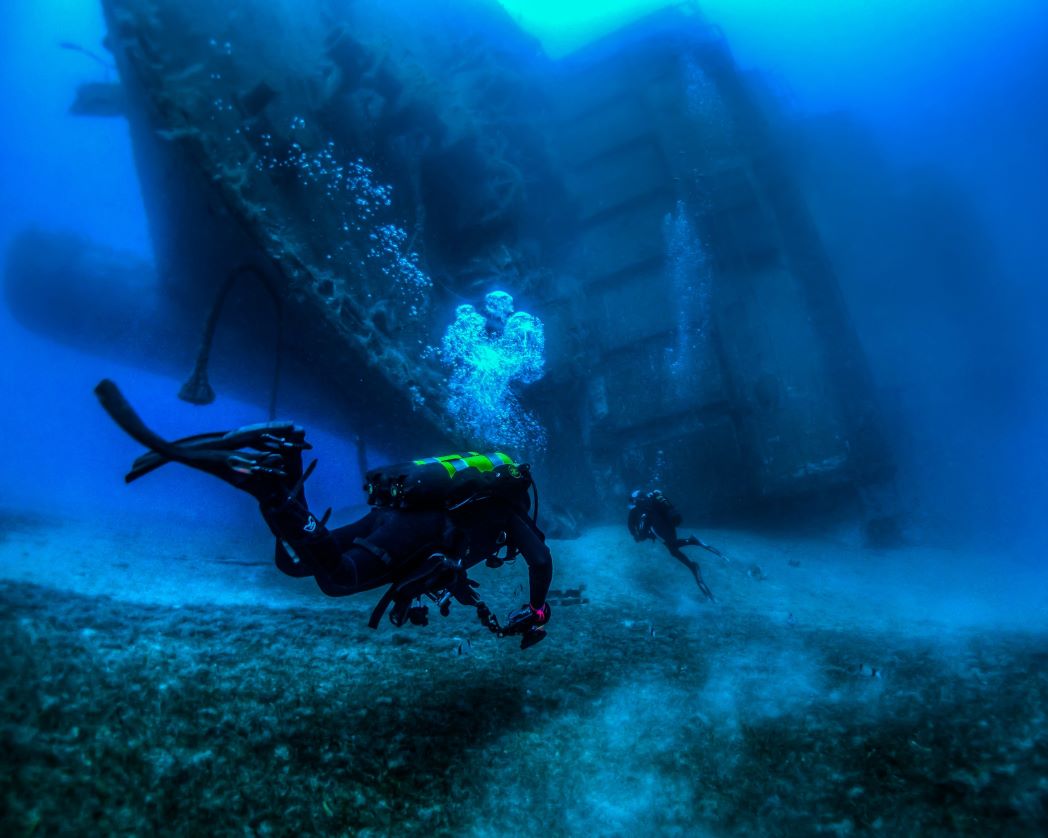
Larnaka is a real treat for divers with one of the world’s top 10 wreck dive sites; the Zenobia. This mammoth of a wreck has so much to see that one dive is simply not enough! So, what makes it interesting? Dubbed ‘the Titanic of the Mediterranean’ the Swedish ferry sank in Larnaka bay during her maiden voyage in 1980, taking her 172-metre ship, 108 trucks and their diverse cargo (including eggs!) to the watery depths with her – forever immortalised for divers to discover.
Divers can use the virtual diving route to plan ahead, whilst non-divers can get a glimpse of this eerie underwater treasure on a boat trip from Larnaka marina.
3. Hala Sultan Tekke
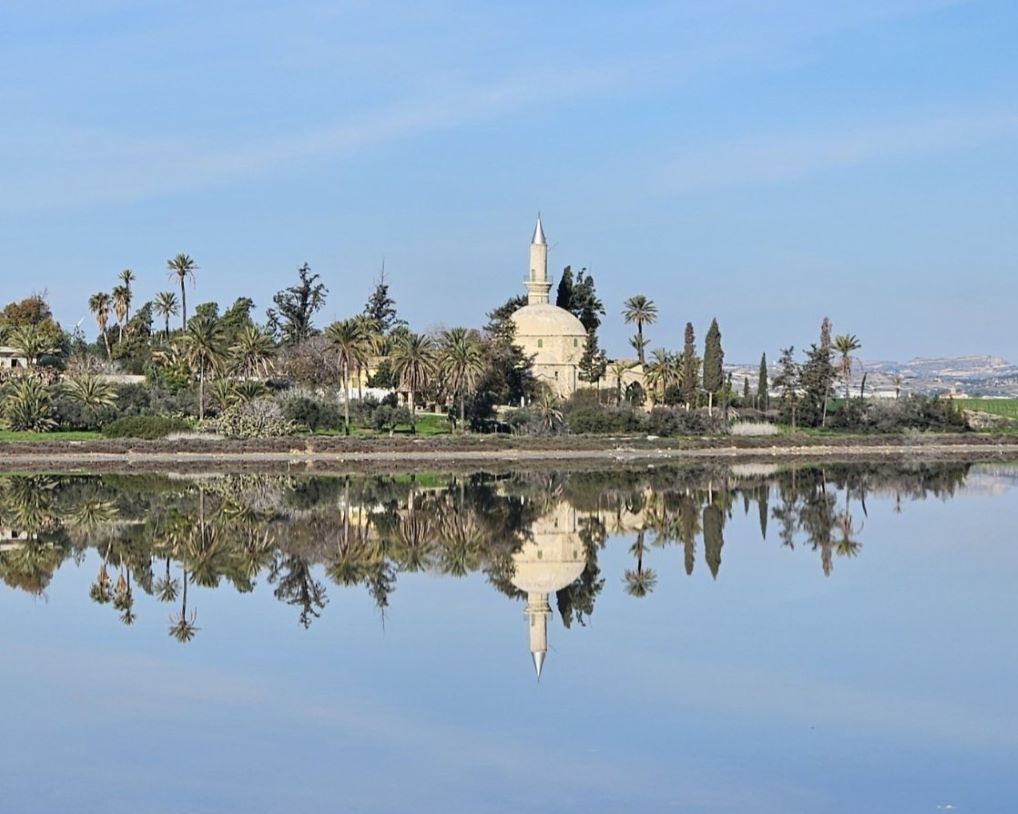
As one of Cyprus’ most religiously diverse cities, Larnaka is also home to one of the most important and revered Islamic sites in the world; Hala Sultan Tekke. Overlooking Larnaka Salt Lake, this historic mosque - an ancient site - is the first most important holy site for Moslems in Cyprus and Europe, as well as one of the most important worldwide, and also one of the oldest working mosques in Europe. Its importance is due to its status as the burial site of Umm Haram, The Holy Helper (companion) and aunt of Prophet Mohamed, who was referred to as Hala Sultan ('royal aunt') by the Prophet. Her tomb is covered by a monolith that is said to be floating.
Visiting hours and information can be found here.
4. Lefkaritika Handmade Lace Embroidery
The fourth distinction is a very special craft; Lefkaritika handmade lace embroidery - included on the UNESCO Intangible World Heritage List. Painstakingly handmade in mountainous Lefkara village, only linens that adhere to strict criteria for the materials, technique and pattern can be classed as ‘Lefkaritika’. If you are wondering how such a craft came to exist, it has been present since Venetian times (1489-1570 AD), when the village was a holiday resort for nobles, and the Venetian noblewomen taught the locals this intricate skill. It is said that even the great painter Leonardo Da Vinci bought a large tablecloth for the altar of the Milan Cathedral when he visited the village.
Visitors to Lefkara (awarded a Best Tourism Village) will see the ladies sat outside in the cobbled lanes, deftly continuing this precious tradition, and you can also learn more at the Lefkara Handicraft Centre, and the Local Museum of Traditional Embroidery and Silversmith-work, Lefkara.
5. Larnaka Salt Lake
The final distinction is for one of Larnaka city’s most defining (and pinkest) attractions! It is, of course, Larnaka Salt Lake, which fills with flocks of migrating flamingos during the winter months. But what you may not know is that the ‘lake’ is actually a complex of four salt lakes, and that this network of wetlands has immense ecological value on an international scale, declared: a Ramsar Wetlands of International Importance site, an EU Natura 2000 site, a Special Protected Area under the Barcelona Convention, and a Bird Life International Important Bird Area (IBA). And with 228 bird species recorded at the lakes, this is one of the most important wetlands in Europe for migratory birds.
If you are in Larnaka city towards the end of October – beginning of November, put a visit to the lakes (via the nature trails) on your list to see the flamingos!